Release 2.8
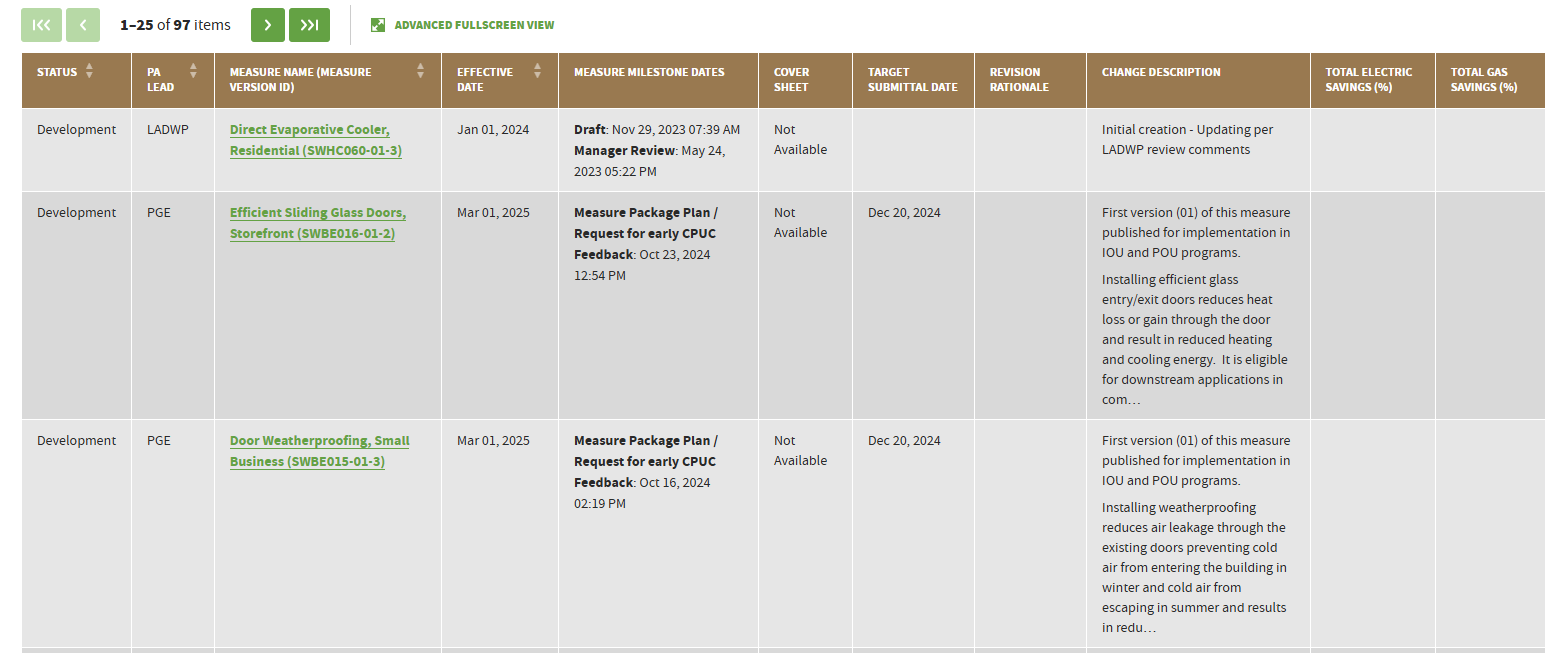
Measure Development Report.
This report provides visibility for any user to measure packages that are Approved, Under Review, and now In Development. The report provides users with the current status of the measure package development, as well as tracks the timestamp of each milestone. Once the measure is submitted to CPUC, users are then provided an access link to the measure Cover Sheet for more information on changes and impact to the portfolio.
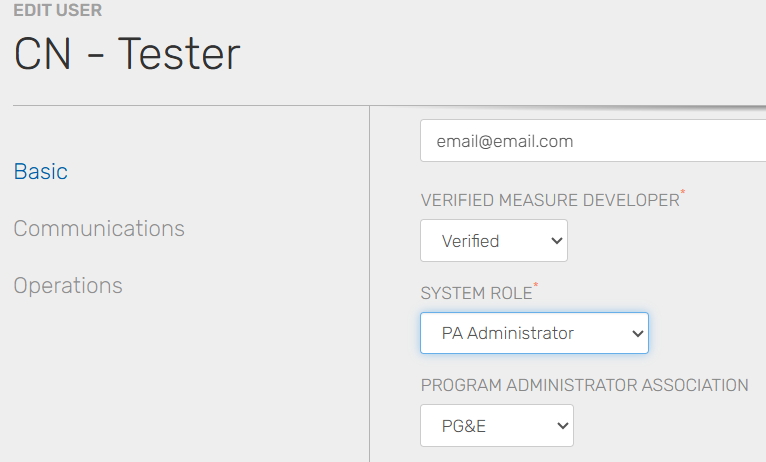
Creation of PA Admin role / Verified Measure Developer assignment.
PA Admin Roles: The new PA Admin role gives designated leads from each program administrator the ability to assign Measure Developer, Measure Reviewer, and Measure Manager roles to eTRM measure packages—eliminating the need to route these requests through Cal TF staff and enabling faster, more autonomous management.
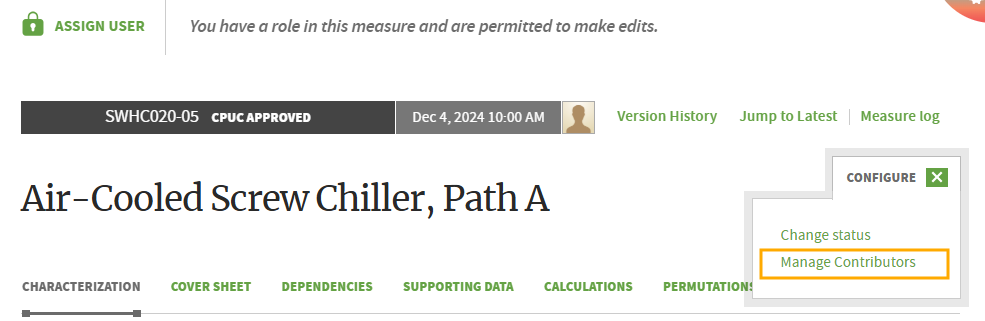
New “Manage Contributor” UI: Admin users can now assign measure contributor roles from the measure page.
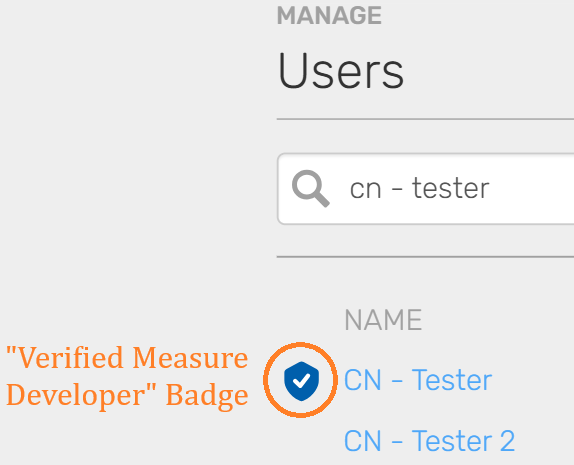
Verified Measure Developers: To ensure that measure development continues to meet the required quality standards, only users certified by Cal TF Staff—designated via the new “Verified Measure Developer” badge—can be given the Measure Developer role to update measures. New measure developers must reach out to Cal TF Staff for the verification process (e.g., completing Cal TF Staff training).
Ability to overwrite and delete Measure Property Data
Measure Developers and Managers can now upload Measure Property Data (MPD) to overwrite existing data when defined conditions are met, or delete all existing MPD to start fresh. This enhancement streamlines and accelerates the update process.
Ability for System Admin to delete measure versions
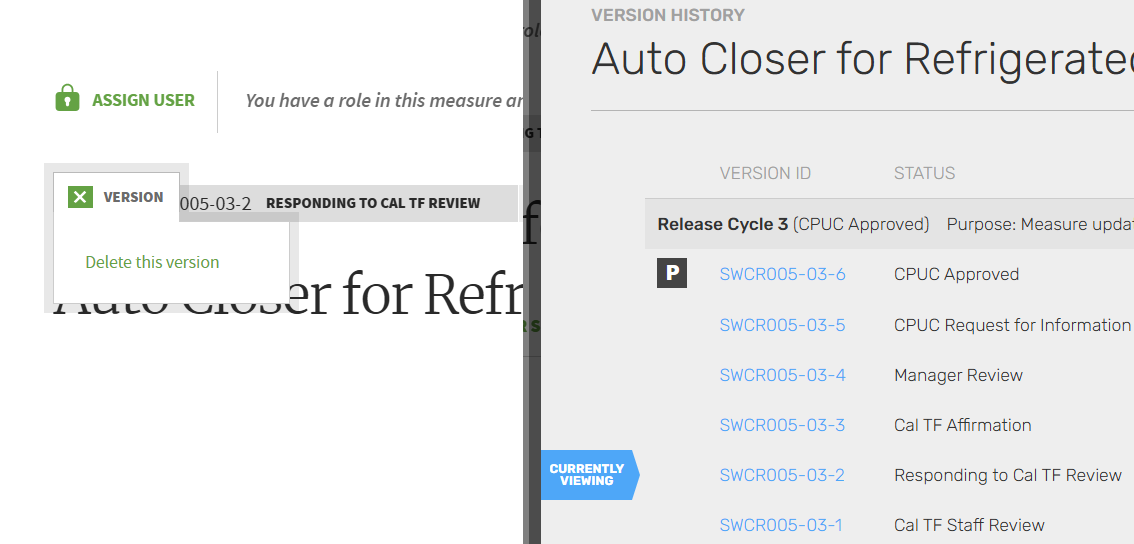
System admin can now delete measure versions, allowing them to clean up the measure Version History.
Updated measure data specification:
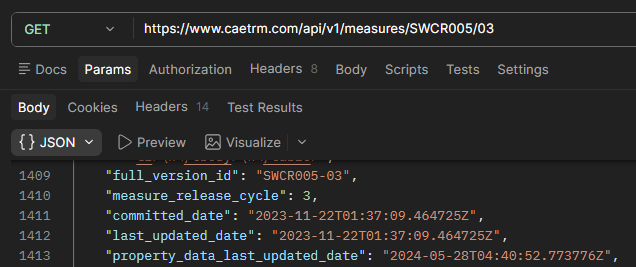
What: Added “Committed Date”, “Measure last modified date”, and “Measure Property Data last modified date”
Where: These new fields are added to the measure data specification. You can view and extract the data from the “measures” table in the public Postgres database or from any of the “/api/v1/measures” API endpoints.
Why: These new fields provide another way to identify when changes occur to a measure version.
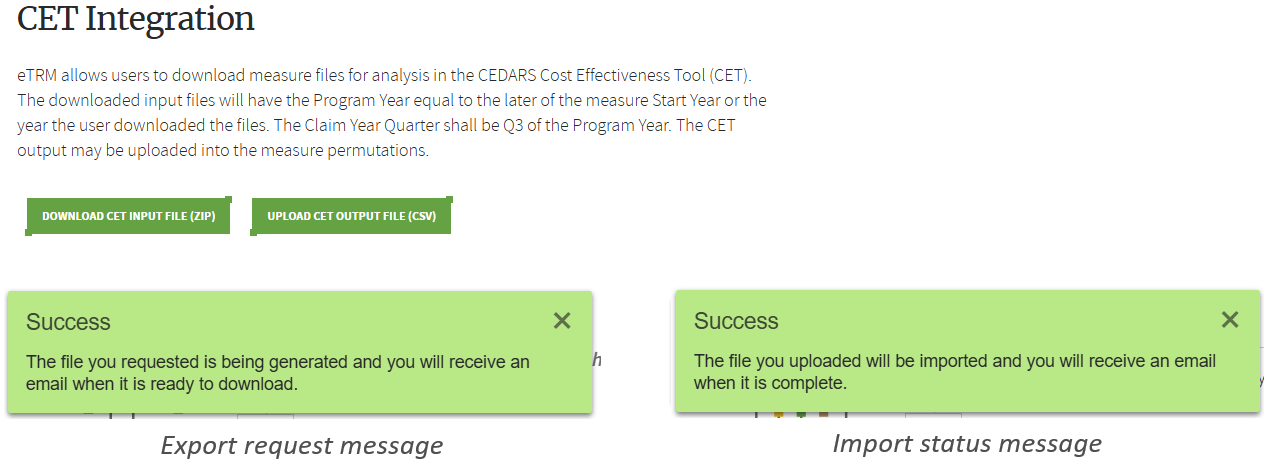
Update to make the import and export of CET files asynchronous
CET file import and export processes are now handled asynchronously to improve performance and prevent timeouts for large (~200,000 permutatioins) measure packages.
Export: When exporting a CET Input File, the file will be generated in the background and sent to your email once ready.
Import: When importing a CET Output File, the process will run in the background, and you’ll receive an email notification with the success or failure status.